Source Naturals® POS Positioning
Turning Sampling Into a Retail Opportunity
Source Naturals had long used single-serving sachets as a sampling tool. They were effective for awareness, but as free giveaways they created no direct revenue and little measurable return.
I saw an opportunity to rethink the format rather than eliminate it.
I created a retail-ready counter display that allowed the sachets to continue functioning as samples while also becoming an inexpensive, impulse-friendly product consumers could purchase individually.
The result was a dual-channel model:
Free sampling for trial and awareness.
Paid retail placement for incremental sales and product discovery.

Creating a New Point of Entry
- PROJECTED: #1 Portfolio SKU by EOY 2027 · Wellness Formula Counter Display
The 30-count counter format opened opportunities beyond the traditional supplement aisle.
Its smaller footprint and low-cost single-serving format made it relevant to environments such as convenience stores, hotels, campus shops, small gyms, wellness centers and larger retailers with travel or checkout sections.
That changed the role of the product.
Instead of requiring a consumer to commit to a full bottle or discover the brand in a traditional health-products set, the display could create a lower-friction entry point in locations built around convenience and impulse purchasing.
The opportunity wasn't simply another display.
It was another way into the brand.
The Wellness Formula counter display is projected to become the #1-selling SKU in the entire portfolio by EOY 2027.

Designing a More Flexible Floor System
The existing floor-display model presented a different problem.
Pre-packed displays created unnecessary complexity across production, freight, inventory and retail execution. They could also become less relevant when product priorities or promotional needs changed.
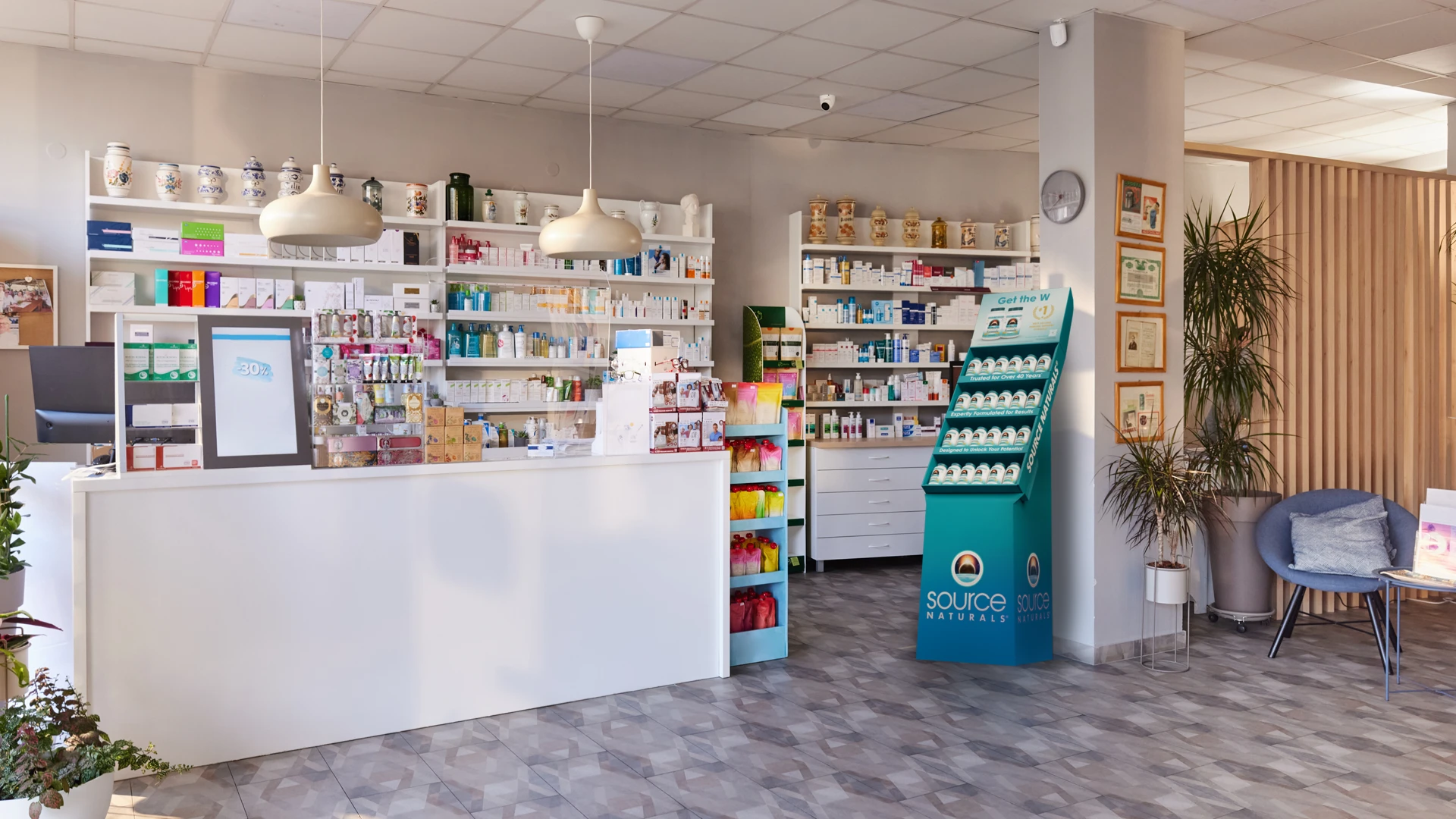
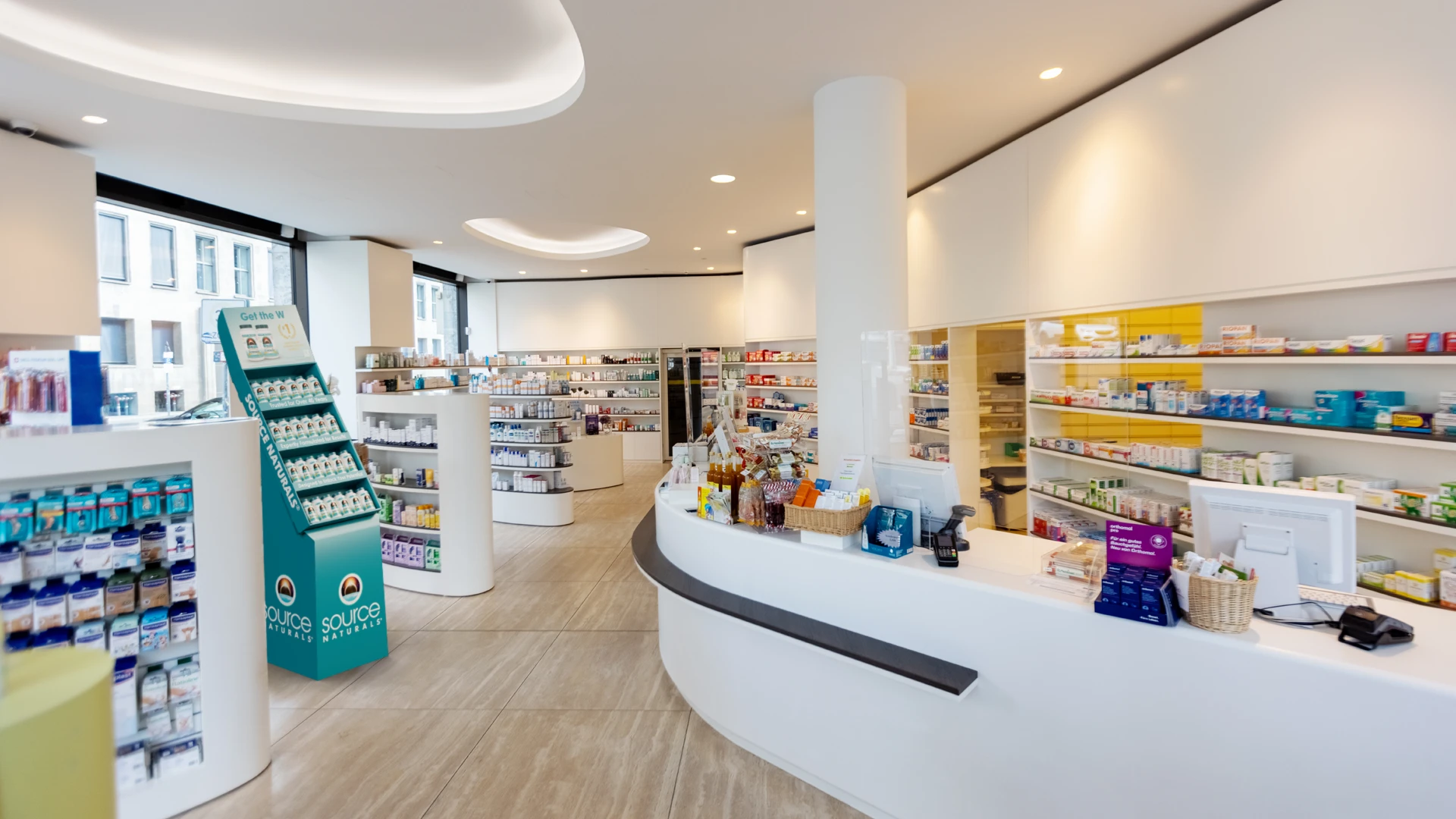
I designed a modular floor display system that ships flat and can accommodate multiple product sizes.
Instead of treating the display as a fixed package of predetermined SKUs, the system gives logistics teams greater flexibility to stock current products while allowing retailers to participate in promotions or merchandise the display around products that make sense for their location.
The display became a reusable system rather than a one-time configuration.

Making the Idea Easier to Sell
Retail innovation also has to be easy for the sales team to explain.
I introduced AR visualization tools that allow sales representatives to show retailers how the displays could look within their actual environment before placement.
That removed some of the abstraction from the sell-in process.
Instead of asking a buyer or retailer to imagine the footprint, scale and visual impact of a display from a flat presentation, the sales team could help them visualize it in context.

Designing the Operational Experience Too
The physical design also needed to be easier to execute after it reached the retailer.
Each modular floor display includes a discreet QR code linking to an instructional assembly video, giving store teams immediate access to setup guidance without requiring additional printed materials or sales-team support.
Combined with flat shipping and modular construction, the approach addressed the entire lifecycle of the display:
Shipping.
Assembly.
Merchandising.
Reconfiguration.
Reuse.
The objective was to make the system easier not only to design and sell, but to actually operate.
Reducing the Cost of Execution
- $10,000+ Savings Per 1,000 Displays · Material + Freight + Labor
The modular floor display also produced a measurable operational benefit.
By reducing material requirements, shipping volume and assembly labor, the redesigned system saves more than $10,000 per 1,000 displays produced.
That efficiency matters because point-of-sale innovation only scales when the economics behind it work.
Together, the counter and floor-display systems created a more flexible approach to retail—one designed to expand selling opportunities while reducing unnecessary operational cost and complexity.